Guide to Industrial Conveyor Systems: Types & Integration
Industrial Kinetics
August 6, 2026
What Is an Industrial Conveyor System?
An industrial conveyor system is an engineered arrangement of conveyors, controls, sensors, and transfer devices that moves materials and products between points in a facility. Each system is engineered around factors such as load characteristics, production rate, facility layout, and the equipment connected to it.
Industrial conveyor systems support far more than product transport. They regulate material flow between production processes, create controlled accumulation when downstream equipment slows, and coordinate movement between automated equipment, workstations, storage areas, and shipping operations.
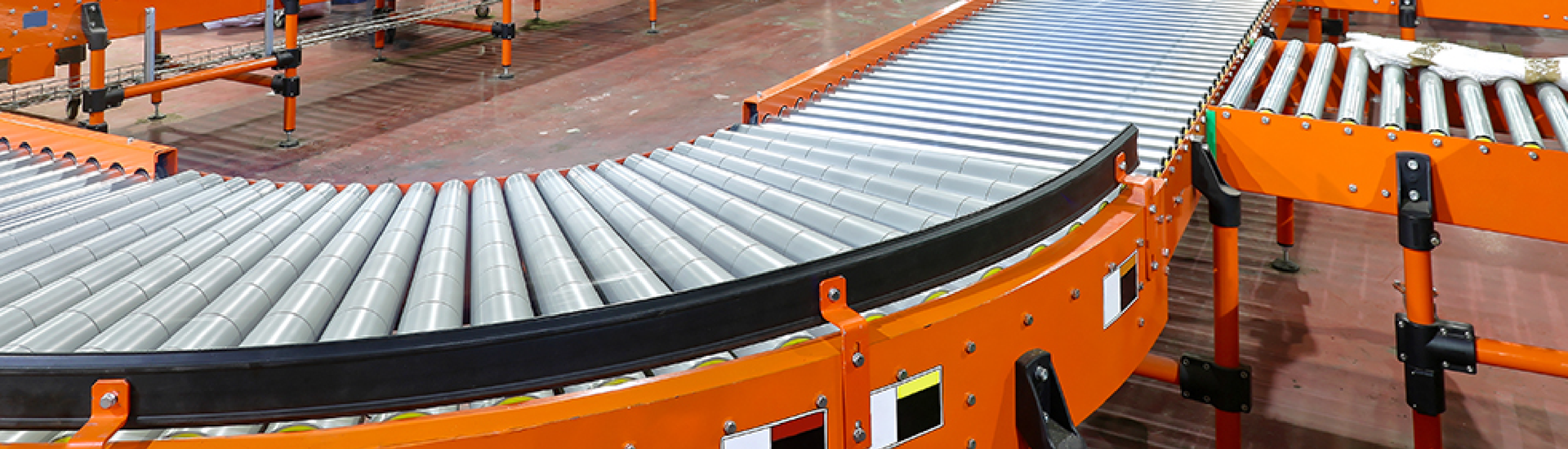
The type of conveyor selected depends on the application. Load weight, product dimensions, throughput targets, environmental conditions, and integration requirements all influence system design. A conveyor that performs well in a packaging operation may not be suitable for heavy pallet handling, steel processing, or automated manufacturing. Matching the conveyor system to the application helps maintain consistent material flow and long-term operational performance.
Main Types of Industrial Conveyor Systems
Industrial conveyor systems are available in many configurations; each developed for a specific method of moving materials through a facility. The right system depends on factors such as product size, load weight, production rate, transfer requirements, and the surrounding equipment.
Assembly Line Systems
Assembly line conveyor systems move products through a sequence of manufacturing operations at a controlled pace. Assembly line conveyor systems support consistent product flow between workstations, which reduces manual handling and helps maintain production schedules. Common applications include automotive manufacturing, electronics assembly, appliance production, and other facilities where products follow a defined path through multiple processes.
Automated Storage & Retrieval Systems (ASRS)
An
Automated Storage and Retrieval System (ASRS) stores and retrieves materials using automated equipment controlled through warehouse management or production software. Conveyors transport products to and from storage locations, creating a continuous flow between receiving, storage, production, and shipping. Reliable conveyor integration supports accurate product movement and reduces delays throughout the system.
Bag Handling Systems
Bag handling conveyor systems transport products such as cement, fertilizer, animal feed, grain, and other packaged bulk materials. Bag handling conveyor systems accommodate varying bag sizes and weights while maintaining stable product movement through filling, inspection, palletizing, and shipping operations.
Heavy-Duty Conveyor Systems
Heavy-duty conveyor systems move large or heavy loads that exceed the capabilities of standard conveyor equipment. Common applications include steel processing, automotive manufacturing, machinery production, and
pallet handling. Depending on the application, these systems may use
Chain Driven Live Roller (CDLR) conveyors, multi-strand chain conveyors, slat conveyors, or other equipment engineered for high load capacities and demanding operating conditions.
Manufacturing Systems
Manufacturing conveyor systems connect production equipment, workstations, inspection areas, and packaging operations into a coordinated material handling process. The system design depends on production rates, product characteristics, available floor space, and the level of automation throughout the facility.
Pallet Handling Systems
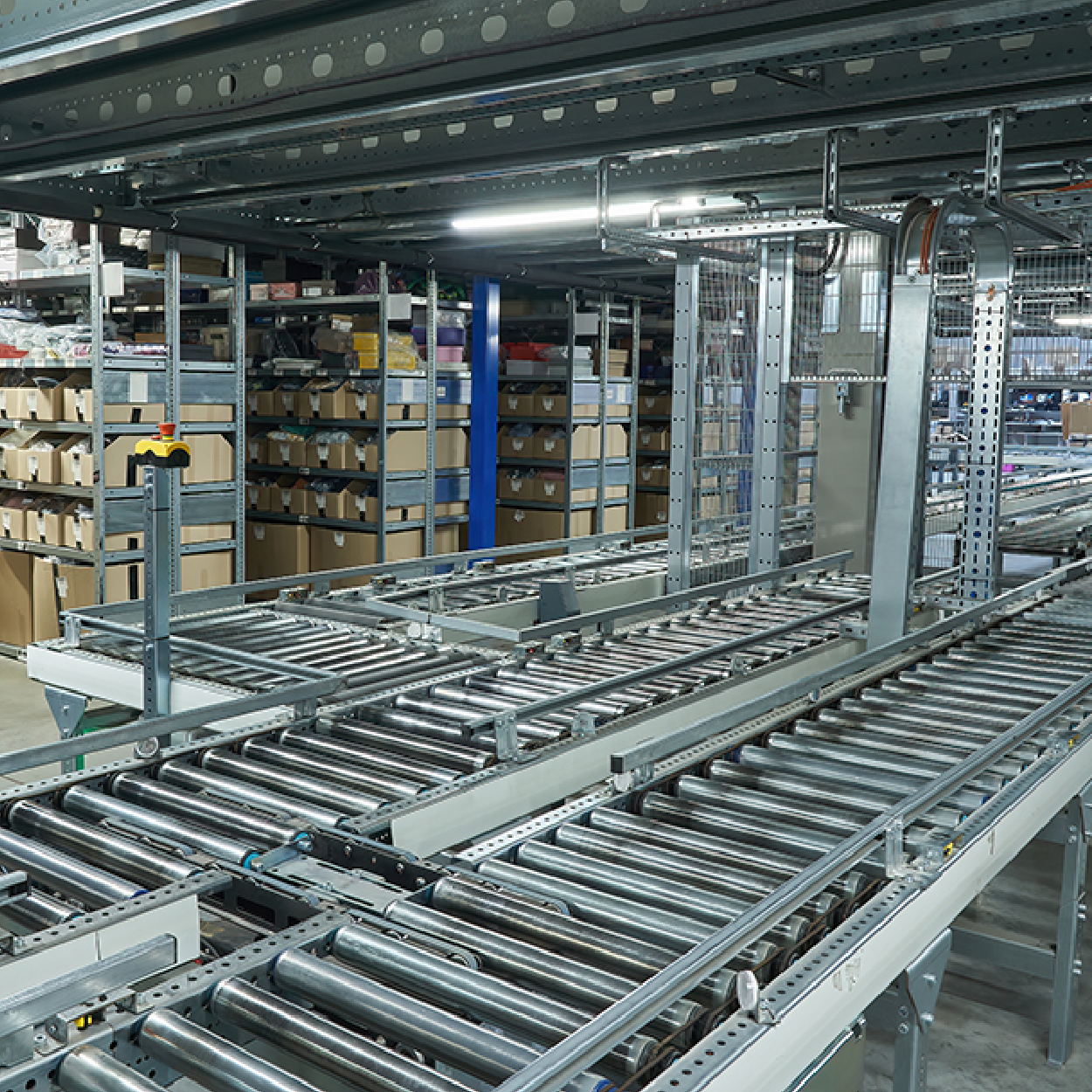
Pallet handling systems transport loaded pallets between storage, production, packaging, and shipping areas. These systems commonly incorporate Chain Driven Live Roller (CDLR) conveyors, chain conveyors, transfer cars, turntables, and accumulation zones to control product flow while supporting heavy loads and automated material movement.
Robotic Interface
Conveyor systems frequently communicate directly with
robotic cells, palletizers, Automated Guided Vehicles (AGVs), Autonomous Mobile Robots (AMRs), and other automated equipment. Accurate product positioning, consistent timing, and reliable control signals help automation equipment receive and release materials without interrupting production.
Trash Conveyor Systems
Trash conveyor systems collect and transport scrap, packaging waste, and production debris away from work areas. Removing waste continuously helps reduce manual handling, keeps production areas organized, and prevents discarded materials from interfering with normal material flow.
Conveyor Type Comparison
The table below compares common industrial conveyor types by typical load, best use case, and operating environment. Load capacities and speeds are always established per application rather than published as fixed ratings.
| Conveyor Type | Typical Load | Best Use Case | Environment Notes |
|---|---|---|---|
| Chain Driven Live Roller (CDLR) | Pallets and heavy unit loads with sound bottom boards | Pallet handling, steel processing, automotive, cold storage | Available in washdown-ready and freezer-rated configurations |
| Multi-Strand Chain | Heavy, irregular, or hot loads, including pallets with poor bottom boards | Heavy pallet handling and primary metals | Suited to abrasive and high-load conditions |
| Drag Chain | Heavy-duty pallets and high-temperature loads | Heat treat lines and steel mill transport | Tolerates high temperature and mill scale |
| Belt / Belt Driven Live Roller (BDLR) | DaveCases, totes, and cartons | Distribution, fulfillment, and high-velocity case handling | General-duty; select components for washdown when required |
| Overhead / Power and Free | Parts, subassemblies, and finished units carried on trolleys | Automotive assembly and paint or finishing lines | Frees floor space; routes product overhead |
| Slat | Heavy, hot, or oily items such as engines and chassis | Automotive assembly and heavy manufacturing | Durable under continuous duty and contamination |
How Do You Select the Right Conveyor Type?
Selecting a conveyor starts with understanding the application. The type of product being moved, the required production rate, the operating environment, and the surrounding equipment all affect which conveyor system is the right fit.
No single conveyor works for every operation. Matching the equipment to the process helps maintain consistent material flow, dependable operation, and room for future expansion.
Load Weight, Size, and Support Requirements
The weight, dimensions, and base of the load influence conveyor selection. Heavy pallets, irregular products, long materials, and unstable loads require different conveyor types than lightweight cartons or cases. The conveyor must provide adequate load support while maintaining stable product movement through transfers and accumulation zones.
Throughput and Accumulation Requirements
Production rate affects conveyor speed, accumulation capacity, and overall system layout. Operations that experience temporary slowdowns or varying production rates may require controlled accumulation to keep upstream processes moving while downstream equipment catches up.
Duty Cycle and Operating Environment
The operating environment affects component selection and system design. Continuous operation, washdown conditions, freezer service, abrasive materials, and high temperatures all influence conveyor construction, drive selection, and maintenance requirements.
Facility Layout and Available Space
The available floor space determines how a conveyor system can be routed through the facility. Ceiling height, existing equipment, traffic patterns, and future expansion plans all influence conveyor layout. Selecting the appropriate conveyor type early in the design process can improve material flow while making efficient use of the available space.
How Do Industrial Conveyors Integrate With Automation?
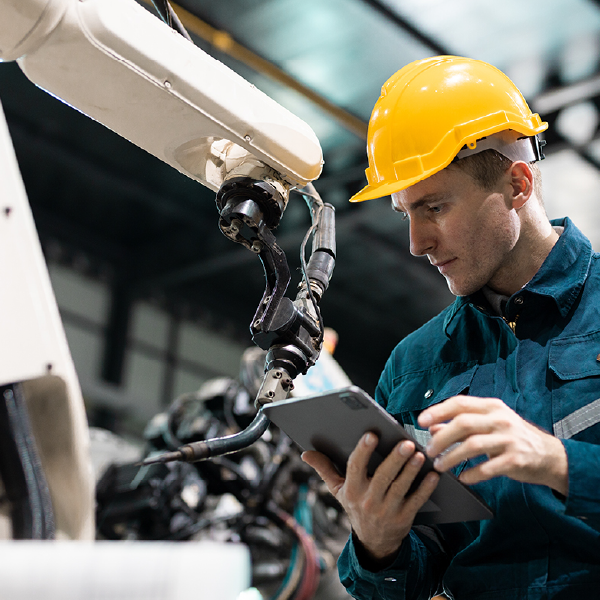
Industrial conveyor systems move materials between automated equipment in a controlled sequence. They communicate with robotic cells, palletizers, stretch wrappers, Automated Storage and Retrieval Systems (AS/RS), Automated Guided Vehicles (AGVs), and Autonomous Mobile Robots (AMRs) to keep products moving through production, storage, and shipping operations.
Successful integration depends on communication between the conveyor control system and the equipment connected to it. Sensors monitor product location, control logic manages accumulation and release, and transfer devices position loads for the next operation. Each component must operate according to the timing and production rate of the surrounding equipment.
Conveyor systems are frequently one part of a larger automated process. If product arrives too early, too late, or out of position, downstream equipment can pause while waiting for the next load. Designing conveyors and automation together helps maintain a steady flow of material throughout the operation and reduces interruptions caused by poor coordination.
Conveyor Systems by Industry
Industrial conveyor systems are found in manufacturing, distribution, food processing, pharmaceutical production, steel mills, and many other industrial facilities. Each application has different material handling requirements based on the products being moved, the production process, and the operating environment.
Conveyor selection should reflect those operating conditions. A system designed for moving lightweight packages through a distribution center will have different requirements than one transporting heavy steel components or pallets through a manufacturing facility.
Automotive
Automotive conveyor systems move components, assemblies, and finished vehicles through multiple stages of production. Applications range from transporting engines, transmissions, and body panels to moving completed vehicles through inspection and final assembly. Conveyor selection depends on load weight, production rate, workstation spacing, and the level of automation throughout the facility. Chain Driven Live Roller (CDLR) conveyors, power and free conveyors, slat conveyors, and overhead conveyor systems are common choices because they can accommodate heavy loads, controlled product movement, and integration with robotic welding, assembly, and material handling equipment.
Commercial Distribution
Distribution conveyor systems move large volumes of cartons, cases, totes, and pallets between receiving, storage, order fulfillment, and shipping. Conveyor systems help maintain product flow while reducing manual handling throughout the facility. Depending on the operation, systems may include accumulation conveyors, sortation equipment, pallet conveyors, and transfers that direct products to different processing areas. Throughput requirements, order volume, product mix, and available floor space all influence system design. Many distribution centers also integrate conveyors with warehouse management software and Automated Storage and Retrieval Systems (AS/RS) to improve inventory movement.
Food & Beverage
Food and beverage conveyor systems move products through processing, packaging, palletizing, and shipping. Equipment selection depends on product type, sanitation requirements, environmental conditions, and production schedules. Many facilities operate in washdown or temperature-controlled environments, requiring components that can withstand frequent cleaning and continuous operation. Conveyors must also move products consistently between packaging equipment, inspection stations, palletizers, and storage areas. System design focuses on maintaining product flow while accommodating the operating conditions unique to food production.
Manufacturing
Manufacturing conveyor systems connect production equipment, assembly stations, machining centers, inspection areas, and packaging operations. Material handling requirements vary widely depending on the products being manufactured, making application-specific engineering an important part of system design. Some operations transport lightweight components between workstations, while others move heavy machinery, fabricated parts, or completed assemblies. Production rate, product dimensions, accumulation requirements, and future expansion plans all influence the type of conveyor system selected.
Pharmaceutical
Pharmaceutical conveyor systems move products accurately and consistently through highly controlled production environments. Conveyors transport containers, packaged products, and materials between processing, filling, inspection, labeling, and packaging operations. System design must account for product traceability, cleanliness, and precise product handling throughout the process. Automation integration is common, allowing conveyors to communicate with inspection equipment, packaging machinery, and robotic systems while maintaining consistent material flow between each stage of production.
Steel & Metals
Steel and metals conveyor systems handle heavy loads, abrasive materials, elevated temperatures, and continuous operation. Conveyor systems transport raw materials, fabricated components, coils, castings, and finished products between processing equipment and storage areas. Heavy-duty conveyor systems such as Chain Driven Live Roller (CDLR) conveyors, multi-strand chain conveyors, and transfer cars are frequently used to accommodate substantial load weights and harsh operating conditions. Component selection, structural design, and maintenance access all play an important role in long-term system performance.
Questions to Ask Before Choosing an Industrial Conveyor System
Choosing an industrial conveyor system starts with understanding the application. Answering a few key questions early in the planning process can help narrow the options and identify the right system for the operation.
- What materials or products will the conveyor move?
- What are the load weight, dimensions, and support requirements?
- What throughput is required during normal and peak production?
- Will the system need controlled accumulation or integration with automation?
- What environmental conditions will the conveyor operate in?
- Will future production increases or facility expansion require additional capacity?
The answers to these questions help define the mechanical design, controls, and overall system configuration before equipment is selected. Evaluating these requirements early can reduce modifications later and improve long-term system performance.
If you're evaluating conveyor system types for a new installation or an existing facility, contact Industrial Kinetics to speak with an engineer or request a quote. Our team designs application-specific conveyor systems for heavy-duty material handling, manufacturing, distribution, and automated production environments.
Our Recent Insights