How to Address Common Conveyor Bottlenecks & Issues
Industrial Kinetics
August 3, 2026
Conveyor systems are designed to keep material moving at a predictable rate. When products begin backing up, operators often focus on the section where the congestion is most visible. In many cases, however, the restriction is developing somewhere else in the process.
Conveyor bottlenecks can result from mechanical issues, accumulation limitations, controls problems, transfer design, or downstream equipment that cannot keep pace with the rest of the system. Regardless of the cause, the result is reduced throughput, more frequent interruptions, and lower overall productivity.
Correcting a bottleneck starts with identifying the true constraint rather than the visible backup. Understanding how material flows through the entire system helps plant engineers, operations managers, and integrators make changes that improve throughput while maintaining stable, predictable operation.
What Is a Conveyor Bottleneck?
A conveyor bottleneck is any point in a material handling system that limits the overall flow of products. When one process cannot handle material at the same rate as the rest of the system, products begin to accumulate upstream, reducing overall throughput.
The visible backup is not always where the problem begins. A bottleneck may be caused by downstream equipment, conveyor transfers, controls, or changes in production requirements. Identifying the true constraint is essential before making adjustments to the
conveyor system.
Conveyor Capacity vs. System Throughput
Conveyor capacity is the maximum rate or load a single conveyor can move under its design conditions. System throughput is the rate at which product moves through the entire operation, including every conveyor, workstation, transfer, and automated process.
System throughput is determined by the slowest point in the system. A conveyor can have spare capacity while downstream constraints still prevent the operation from reaching its intended production rate. This distinction shows whether a bottleneck comes from the conveyor itself or from another part of the material handling process.
What Are the Common Signs of a Conveyor Bottleneck?
Conveyor bottlenecks often develop before production comes to a complete stop. Common warning signs include:
- Products accumulating in the same location during normal operation
- Conveyor sections cycling between full and empty instead of maintaining steady flow
- Idle operators or automated equipment waiting for product
- Frequent starts and stops that reduce overall efficiency
- Throughput consistently falling below production targets
Recognizing these patterns early makes it easier to identify the underlying constraint before it affects the rest of the system.
Why the Visible Backup May Not Be the Root Cause
The location where products begin to accumulate is not always the source of the problem. Material naturally backs up behind the first process that cannot maintain the required flow, so the most visible congestion may develop upstream of the actual constraint.
The underlying issue may be a downstream machine operating at a slower rate, an inefficient merge, a transfer point, or a controls issue that disrupts material flow. Identifying the true constraint requires evaluating how the entire system moves product rather than focusing only on where the backup is visible.
Common Causes of Conveyor Bottlenecks and How to Correct Them
Conveyor bottlenecks can develop for many reasons, ranging from mechanical wear to production changes that gradually outgrow the original system design. While the symptoms may look similar, the underlying cause determines the most effective corrective action.
1. The Downstream Process Has Less Capacity Than the Conveyor Feeding It
A conveyor can only move material as quickly as the next process can accept it. If downstream equipment such as a palletizer, wrapper, inspection station, or work cell operates at a slower rate, products will begin to accumulate upstream. Increasing conveyor speed rarely resolves the issue because the downstream process remains the limiting factor.
Correcting this type of bottleneck may require increasing downstream capacity, balancing production rates, or adding controlled accumulation to buffer temporary slowdowns.
2. Insufficient Accumulation Capacity
Accumulation zones allow products to queue without interrupting upstream production. When there is not enough accumulation space, minor slowdowns can quickly affect the rest of the conveyor system, leading to unnecessary stops and reduced throughput.
Adding accumulation capacity or reconfiguring zone lengths can help maintain a more consistent flow while preventing backups from spreading through the system.
3. Poorly Timed Merges and Combines
Merge points require products from multiple conveyor lines to enter a shared path in a controlled sequence. If release timing is not properly coordinated, one line may dominate the merge while another experiences repeated delays or backups.
Adjusting merge logic, release timing, or conveyor speeds can improve product flow and reduce unnecessary waiting.
4. Conveyor Transfer Problems
Transfer points are common locations for flow disruptions because products briefly move between conveyor sections. Gaps, misalignment, or unstable load handling can slow production, create jams, or require operator intervention.
Improving
transfer design, maintaining proper alignment, and selecting transfer methods suited to the load characteristics can help maintain smooth, reliable movement.
5. Inconsistent or Damaged Loads
Conveyor systems perform best when loads are consistent in size, weight, and condition. Damaged pallets, irregular packaging, or shifting products can affect tracking, transfers, and sensor performance, creating interruptions throughout the system.
Addressing load quality upstream and designing the conveyor around expected load characteristics helps reduce these recurring issues.
6. Incorrect Conveyor Speed or Poor Speed Coordination
Conveyor speed must be coordinated across the entire material handling system. When one section runs significantly faster or slower than adjacent equipment, products can bunch together or create unnecessary gaps that reduce overall throughput.
Matching conveyor speeds to process requirements and downstream equipment helps maintain a steady, predictable flow.
7. Sensor Positioning or Detection Problems
Photoelectric sensors play a critical role in controlling product movement and zone accumulation. If a sensor is poorly positioned, blocked, or incorrectly adjusted, it may fail to detect products consistently or trigger conveyor actions at the wrong time.
Routine inspection, proper placement, and regular testing help ensure sensors provide accurate information to the control system.
8. Control Logic and Zone Accumulation Problems
The conveyor control system determines when products move, stop, and release between accumulation zones. If the control logic does not match the operating requirements of the system, products may release too early, wait longer than necessary, or create unnecessary congestion.
Reviewing Programmable Logic Controller (PLC) programming and
zone accumulation settings can improve coordination throughout the system.
9. Drive, Chain, Roller, or Belt Performance Problems
Mechanical components naturally wear over time. Worn chains, damaged rollers, slipping belts, or declining drive performance can reduce conveyor speed and create inconsistent material flow.
Preventive maintenance and timely replacement of worn components help maintain reliable conveyor performance and reduce unplanned downtime.
10. Excessive Starts, Stops, and Short Cycling
Frequent starting and stopping disrupt material flow and place additional stress on motors, drives, and mechanical components. Short cycling can also reduce throughput by preventing products from moving through the system at a consistent rate.
Where appropriate, adjusting control strategies to support smoother, more continuous operation can improve both production efficiency and equipment life.
11. Maintenance-Related Restrictions
Deferred maintenance can gradually reduce conveyor performance without creating an immediate failure. Poor lubrication, worn bearings, misaligned components, and debris buildup all increase resistance and can contribute to recurring bottlenecks.
A structured preventive maintenance program helps identify developing issues before they begin affecting production.
12. The System No Longer Matches Current Production Requirements
Conveyor speed must be coordinated across the entire material handling system. When one section runs significantly faster or slower than adjacent equipment, products can bunch together or create unnecessary gaps that reduce overall throughput.
Matching conveyor speeds to process requirements and downstream equipment helps maintain a steady, predictable flow.
Conveyor Bottleneck Types: Symptoms and Corrective Actions
The table below summarizes the 12 causes, the symptom each typically produces, its type, and the corrective action most likely to resolve it.
| Cause | Typical Symptom | Type | Corrective Action |
|---|---|---|---|
| Downstream process has less capacity than the conveyor feeding it | Product accumulates upstream of a machine or work cell | Operational | Increase downstream capacity, balance production rates, or add controlled accumulation |
| Insufficient accumulation capacity | Minor slowdowns quickly stop upstream conveyors | Controls | Add accumulation or reconfigure zone lengths |
| Poorly timed merges and combines | One line dominates the merge; another repeatedly waits | Controls | Adjust merge logic, release timing, or conveyor speeds |
| Conveyor transfer problems | Jams, gaps, or stalls at section-to-section handoffs | Mechanical | Improve transfer design and alignment; match transfer method to the load |
| Inconsistent or damaged loads | Tracking errors, sensor misreads, and recurring jams | Mechanical | Correct load quality upstream; design the conveyor around actual load conditions |
| Incorrect speed or poor speed coordination | Product bunches together or opens unnecessary gaps | Controls | Match conveyor speeds to the process and adjacent equipment |
| Sensor positioning or detection problems | Zones release early or late, or miss product entirely | Controls | Inspect, reposition, and test photoeyes on a routine schedule |
| Control logic and zone accumulation problems | Early release, excess waiting, or created congestion | Controls | Review PLC programming and zone accumulation settings |
| Drive, chain, roller, or belt wear | Inconsistent speed, slipping, or slow sections | Mechanical | Follow preventive maintenance; replace worn components on schedule |
| Excessive starts, stops, and short cycling | Frequent start-stop cycles and added motor stress | Mechanical / Controls | Adjust control strategy toward smoother, continuous operation |
| Maintenance-related restrictions | Gradual performance decline and rising drag | Mechanical | Run a structured preventive maintenance program |
| System no longer matches current production | A system that once met targets is now the constraint | Operational | Re-evaluate against current requirements; upgrade equipment or controls |
How Do You Troubleshoot a Conveyor Bottleneck?
Troubleshooting a conveyor bottleneck requires more than identifying where products are accumulating. A systematic approach helps determine what is limiting material flow, classify the type of constraint, and identify the corrective action most likely to improve throughput.
Step 1: Define the Required Throughput
Begin by identifying how much material the system is expected to move during normal production. Establishing a clear throughput target provides a benchmark for evaluating whether the conveyor system is meeting operational requirements.
Step 2: Measure Actual Flow
Compare production goals with actual system performance. Tracking how many products, cases, or pallets move through the system over a specific period helps identify when and where throughput begins to decline.
Step 3: Locate the First Persistent Constraint
Follow the flow of material through the system to identify the first location where products consistently slow or stop. This point is more likely to represent the true bottleneck than the area where the largest backup is visible.
Step 4: Classify the Bottleneck
Determine whether the constraint is mechanical, operational, or related to controls. Understanding the type of bottleneck helps narrow the possible causes and guides the next steps in the troubleshooting process.
Step 5: Correct the Root Cause
Once the source of the restriction has been identified, implement the appropriate corrective action. Depending on the issue, this may involve equipment repairs, control logic adjustments, process changes, or modifications to the conveyor system.
Step 6: Verify Performance Under Peak Conditions
Confirm that the corrective action improves material flow during the highest production rates, not only during normal operation. Testing under peak demand helps ensure the bottleneck has been resolved and does not reappear as throughput increases.
Step 7: Document the New Operating Baseline
Record key performance metrics after the issue has been corrected, including throughput, conveyor speeds, and production rates. Establishing a new baseline makes it easier to identify future changes in system performance and evaluate the impact of process improvements.
How Does Accumulation Help Prevent Conveyor Bottlenecks?
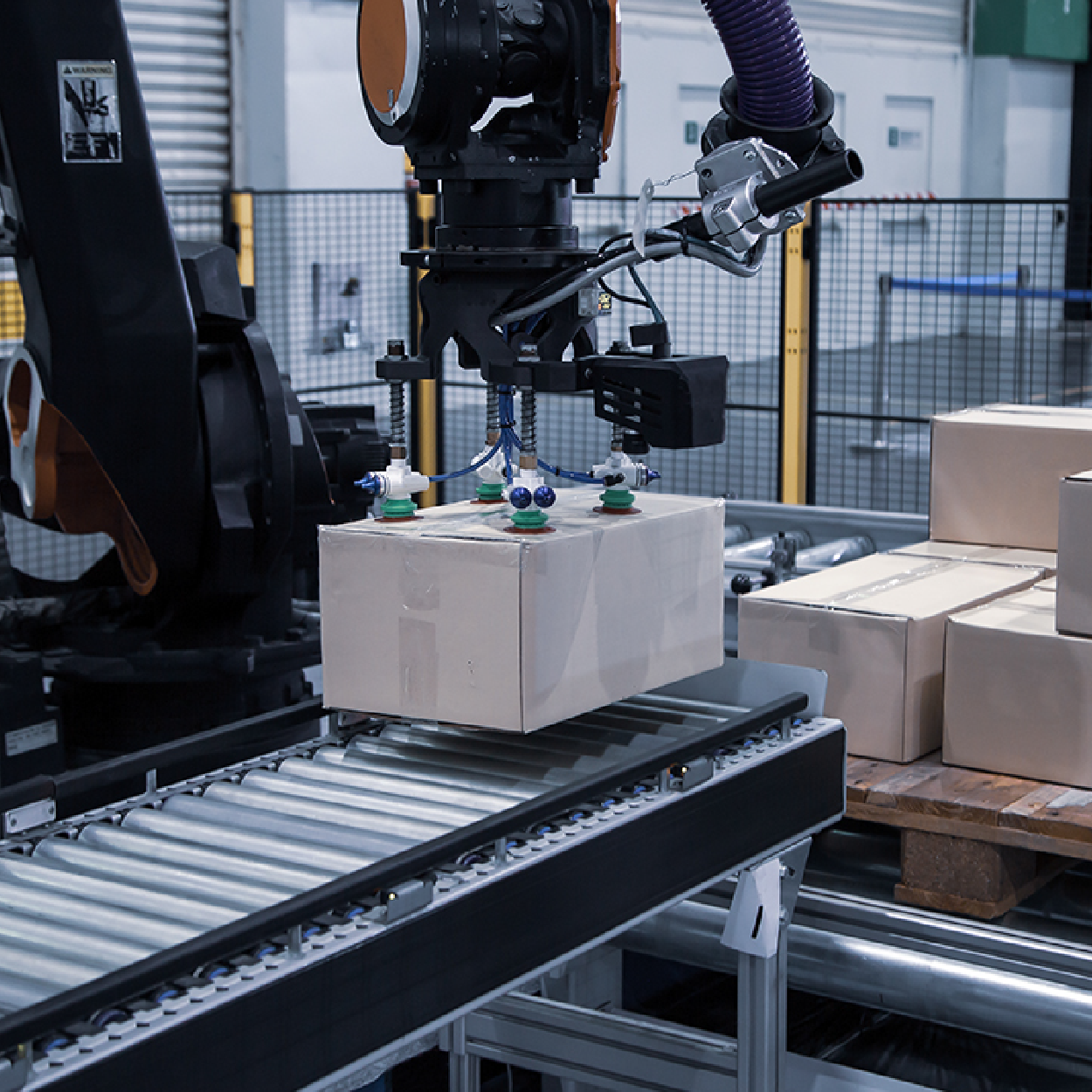
Accumulation allows products to continue moving even when downstream equipment experiences temporary slowdowns. By creating controlled buffer space between processes, accumulation helps absorb short interruptions without forcing upstream conveyors to stop.
When accumulation is properly designed, the system can maintain a more consistent flow and reduce the impact of normal production variations. The amount of accumulation required depends on factors such as throughput, product characteristics, process timing, and the performance of downstream equipment.
How Do Automation Interfaces Create or Prevent Flow Problems?
In automated material handling systems, conveyors must operate in coordination with equipment such as robotic cells, palletizers, Automated Storage and Retrieval Systems (ASRS), Automated Guided Vehicles (AGVs), and Autonomous Mobile Robots (AMRs). When these interfaces are not properly synchronized, delays at one piece of equipment can disrupt material flow throughout the system.
Well-designed automation interfaces support consistent communication between equipment, helping products move at the right time and in the correct sequence. Coordinating conveyor controls with the surrounding automation reduces unnecessary delays and helps maintain stable throughput across the operation.
How Do You Prevent Conveyor Bottlenecks During System Design?
Preventing conveyor bottlenecks is easier and more cost-effective than correcting them after a system is in operation. Evaluating throughput requirements, accumulation behavior, load characteristics, transfer design, and automation interfaces during the engineering process helps build a system that supports both current production demands and future growth.
Because every operation has different products, production rates, and process requirements,
conveyor systems should be designed around the application instead of relying on assumptions about how material will move through the facility.
Talk to an Engineer
If your operation is experiencing recurring conveyor bottlenecks or you're planning a new material handling system,
contact Industrial Kinetics to speak with an engineer or request a quote. Our team designs
engineered conveyor systems that support stable material flow, predictable throughput, and long-term operational performance.
Our Recent Insights